Waarom Bett dit jaar anders aanvoelde...
Bett in Londen is altijd een plek geweest waar alles groot is. Grote hallen. Grote ideeën. Grote beloften over de toekomst van het onderwijs. Dit jaar voelde het anders.
Op de itslearning Summit was de sfeer rustiger en bedachtzamer. De gesprekken gingen minder over wat er nieuw was en meer over wat echt werkt. Minder over tools, en meer over lesgeven, leren en de dagelijkse realiteit waarmee docenten te maken hebben.
In keynote-gesprekken, discussies met klanten en visies van experts kwam steeds eenzelfde teneur naar voren. Onderwijzers hebben geen tekort aan technologie. Ze hebben een tekort aan duidelijkheid, tijd en afstemming.
Enkele van de belangrijkste inzichten kwamen niet alleen van het podium. Ze kwamen voort uit het aandachtig luisteren naar schoolleiders, leraren, systeembeheerders en onderzoekers die dezelfde spanningen vanuit verschillende invalshoeken benaderden.
Deze blog die stemmen samen, niet om ze op te lossen, maar om ze beter te begrijpen.
Heroverwegen hoe verandering werkelijk plaatsvindt
De Innovation Summit verlegde de focus van observatie naar implicatie; waarom veranderingen zo vaak moeilijk vol te houden zijn zodra scholen weer terugkeren naar de dagelijkse praktijk.
Eén ding was duidelijk: verandering begint niet met technologie. Het begint met geloof.
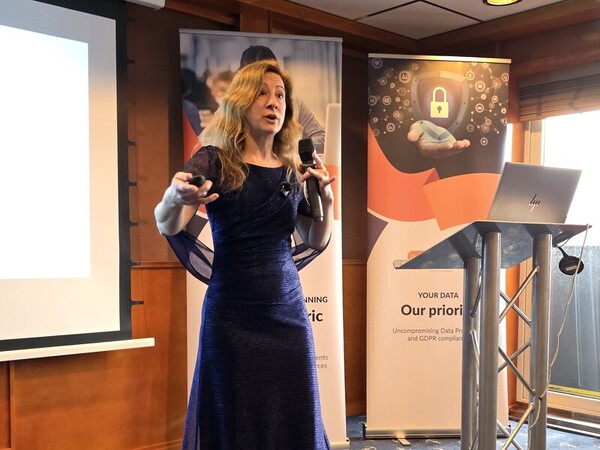
Dr. Fiona Aubrey-Smith, oprichter van PedTech, bestsellerauteur en onderzoeksadviseur, daagde scholen uit om verder te kijken dan goede bedoelingen en zich te richten op praktijkervaringen. "Het gaat niet zozeer om onze bedoelingen",zei ze, "maar om hoe onze leerlingen het daadwerkelijk ervaren en internaliseren."
Vanuit dat perspectief gezien, ontstaan er bekende patronen. Scholen investeren. De verwachtingen stijgen. De resultaten stellen teleur. En dan begint de cyclus opnieuw.
Zoals Fiona opmerkte: "Het is interessant dat het de technologie is die de cyclus opnieuw in gang zet, maar dat het onderwijs is waar we om geven."
Die discrepantie verklaart waarom vooruitgang soms van korte duur lijkt. Echte impact ontstaat wanneer scholen duidelijk voor ogen hebben hoe leren er volgens hen uit moet zien, en daarop gebaseerde beslissingen nemen.
Kunstmatige intelligentie hier ook ter sprake, niet als een snelkoppeling, maar als een aanleiding om de intentie opnieuw te bekijken. "Effectieve pedagogiek is volledig afhankelijk van het geloofssysteem waaruit het voortkomt", herinnerde Fiona de aanwezigen.
Leiderschap en cultuur waren nooit ver weg. Zoals schooldirecteur en spreker op de Innovation Summit Annegret Ochsenreither-Asmus het verwoordde: "Als je iets wilt veranderen, moet je dat als school doen."
Ondanks de verschillende meningen was de boodschap duidelijk. Blijvende verandering komt voort uit gedeeld begrip en gezamenlijke keuzes, niet uit snelheid, schaalgrootte of nieuwigheid.
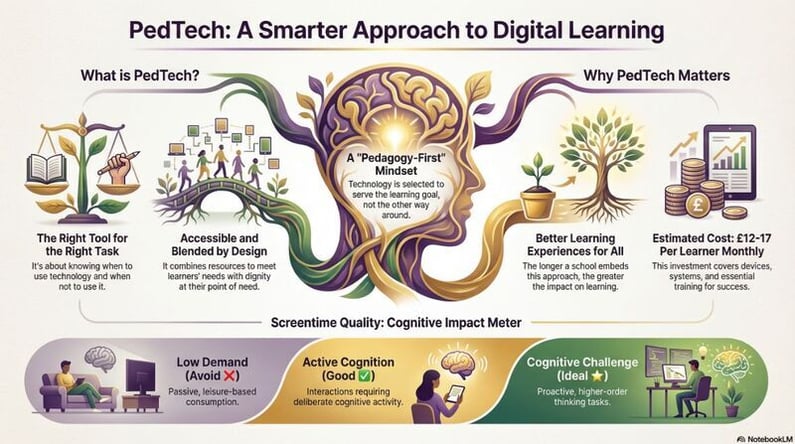
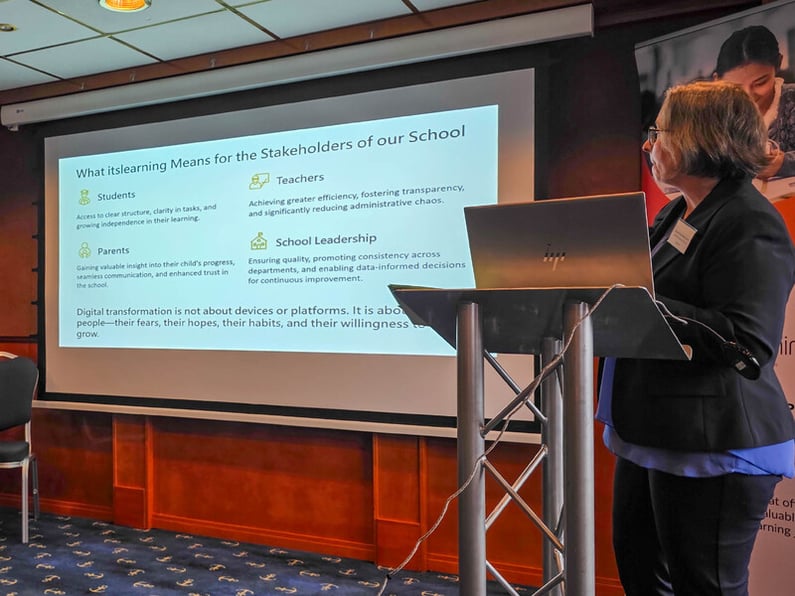
Uit de presentatie van Fiona. Afbeelding: Tim Clarke, gedeeld via LinkedIn
Waar opvoeders in de praktijk mee te maken hebben
Die ideeën werden concreter in gesprekken met mensen die werkzaam zijn binnen scholen en instellingen.
Fragmentatie kwam steeds weer terug en manifesteerde zich op zeer praktische manieren:
- Verschillende hulpmiddelen voor verschillende cursussen en docenten
- Verschillende routines en verwachtingen
- Studenten die niet weten waar ze moeten zoeken of wat belangrijk is
- Extra, vaak onzichtbare, werkdruk voor docenten
"Als je te veel tools hebt, raakt iedereen alleen maar in de war",zei Annegret. Het probleem lag niet bij de tools zelf, maar bij het ontbreken van een gezamenlijke aanpak.
Verschillende docenten trokken ook de aanname in twijfel dat studenten eindeloze flexibiliteit willen. Velen willen duidelijkheid. "De planner in itslearning) was het belangrijkste", zei Annegret. "Toen dat eenmaal duidelijk was, werd al het andere gemakkelijker."
Door leren zichtbaar te maken, veranderde Gedrag . Minder achtervolgen. Meer eigenaarschap.
Vooruitgang kwam vaak voort uit kleine, praktische keuzes in plaats van grote hervormingen. Gedeelde manieren van werken. Voorspelbare structuren. Leren toegankelijk maken, zelfs wanneer studenten niet fysiek aanwezig zijn.
Er was ook eerlijkheid over spanning. Leraren hechten waarde aan professionele vrijheid, maar te veel variatie zorgt voor onzekerheid bij leerlingen. In die context werd structuur beschreven als een verademing, niet als een beperking.
Weerstand, wanneer die zich voordeed, had zelden te maken met een gebrek aan zorgzaamheid. "Onder al dat gedoe schuilt de angst om overweldigd te worden... om niet competent over te komen", zei Annegret.
Uitzoomen naar het grotere systeem rondom scholen
De interviews met deskundigen hielpen om deze ervaringen in een bredere context te plaatsen.
Voor Fiona komt veel van de spanning waarmee scholen te maken hebben terug op intentie. "Wat is onze pedagogiek," vroeg ze, "en hoe kunnen digitale hulpmiddelen dat ondersteunen, of juist vermijden waar dat niet gepast is?"
Ze stelde ook de manier waarop we over schermen praten ter discussie. Het gaat niet om het scherm zelf, maar om het soort denken dat het oproept.
Jonathan Viner, oprichter van 10Digits en uitgever van Nordic EdTech Nieuws, keek naar het bredere ecosysteem en stelde vast dat de sector steeds bewustere digitale keuzes maakt. Hij benadrukte dat de discussie verschuift naar "prioriteit geven aan hoogwaardige middelen die leerresultaten opleveren", waarbij digitale hulpmiddelen bewust worden ingezet in plaats van standaard.
Hij stelde ook bredere vragen over vertrouwen en afhankelijkheid. "Digitale soevereiniteit kwam ter sprake", legde hij uit, verwijzend naar de groeiende bezorgdheid in heel Europa overPeriode van wereldwijde technologieleveranciers. Hoewel deze druk verder reikt dan individuele scholen, beïnvloedt deze in toenemende mate hoe instellingen denken over risico's, verantwoordelijkheid en keuzes.
Samen wijzen deze perspectieven op een Eenvoudig . Scholen werken binnen systemen waarover ze niet de volledige controle hebben.
Wilt u deze perspectieven verder verkennen?
Bekijk ons volledige gesprek met dr. Fiona Aubrey-Smith over pedagogisch denken en doelgericht digitaal gebruik.
Bekijk ons volledige gesprek met Jonathan Viner over digitale soevereiniteit, op bewijs gebaseerde besluitvorming en de impact van EdTech in heel Europa.
De punten tussen de stemmen verbinden
Als we een stap terug doen, vallen een paar duidelijke patronen op:
- Duidelijkheid boven complexiteit
- Structuur als enabler
- Bewijs boven hype
- Gedeelde verantwoordelijkheid voor digitale verandering
- Leerervaringen boven hulpmiddelen
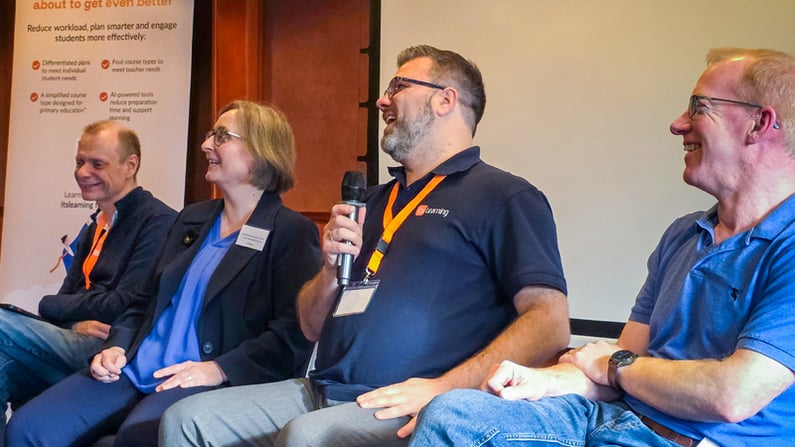
Deze ideeën waren niet gecoördineerd. Ze ontstonden omdat mensen in verschillende rollen dezelfde vragen stelden en tot vergelijkbare conclusies kwamen.
Wat dit betekent voor de toekomst
De gesprekken op Bett wijzen op een onderwijssector die vertraagt en zorgvuldiger nadenkt over de richting die hij inslaat.
Er is minder interesse in disruptie omwille van de disruptie zelf, en meer focus op wat realistisch gezien duurzaam is.
Voor itslearning versterkt dit een vertrouwde rol. Niet als aanbieder van snelle oplossingen, maar als een doordachte partner en luisteraar.
Wat dit jaar het meest opviel, was de eerlijkheid. Over wat moeilijk is. Over wat tijd kost. En over de gedeelde verantwoordelijkheid die komt kijken bij het vormgeven van onderwijs dat zinvol en gegrond voelt.
Het gesprek eindigt niet in Londen. Het gaat verder op alle plaatsen waar onderwijs wordt gepland, leren vorm krijgt en beslissingen worden genomen over wat echt belangrijk is. En wij willen daar deel van blijven uitmaken.
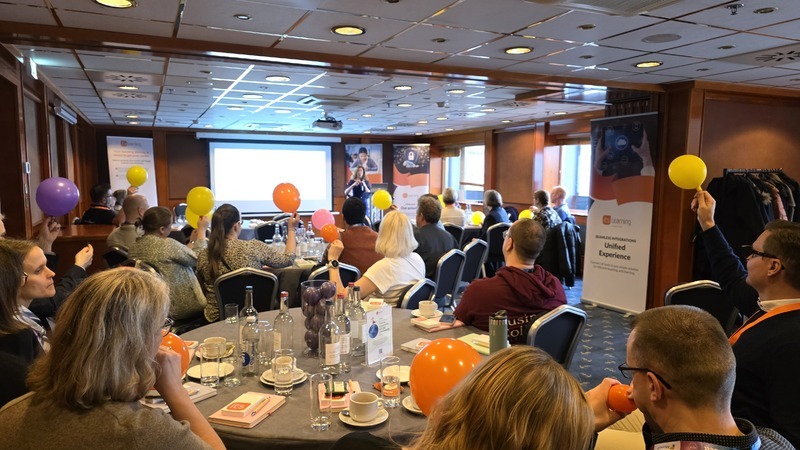
Kon u Bett 2026 niet bijwonen? Geen zorgen! Neem contact met ons op voor meer informatie over hoe deze innovaties uw school of instelling kunnen ondersteunen! Neem contact met ons op via ons contactformulier.